Lakers Perimeter Defense vs Opponent Three-Point Shots
Introduction
Are you a Los Angeles Lakers fan curious about why they struggle so much with their defense? If so, then you can find your answers on this page. Compiled below is a comprehensive analysis of the Lakers's defense measured by the amount of three pointers their opponents get.
Data Sources
ESPN

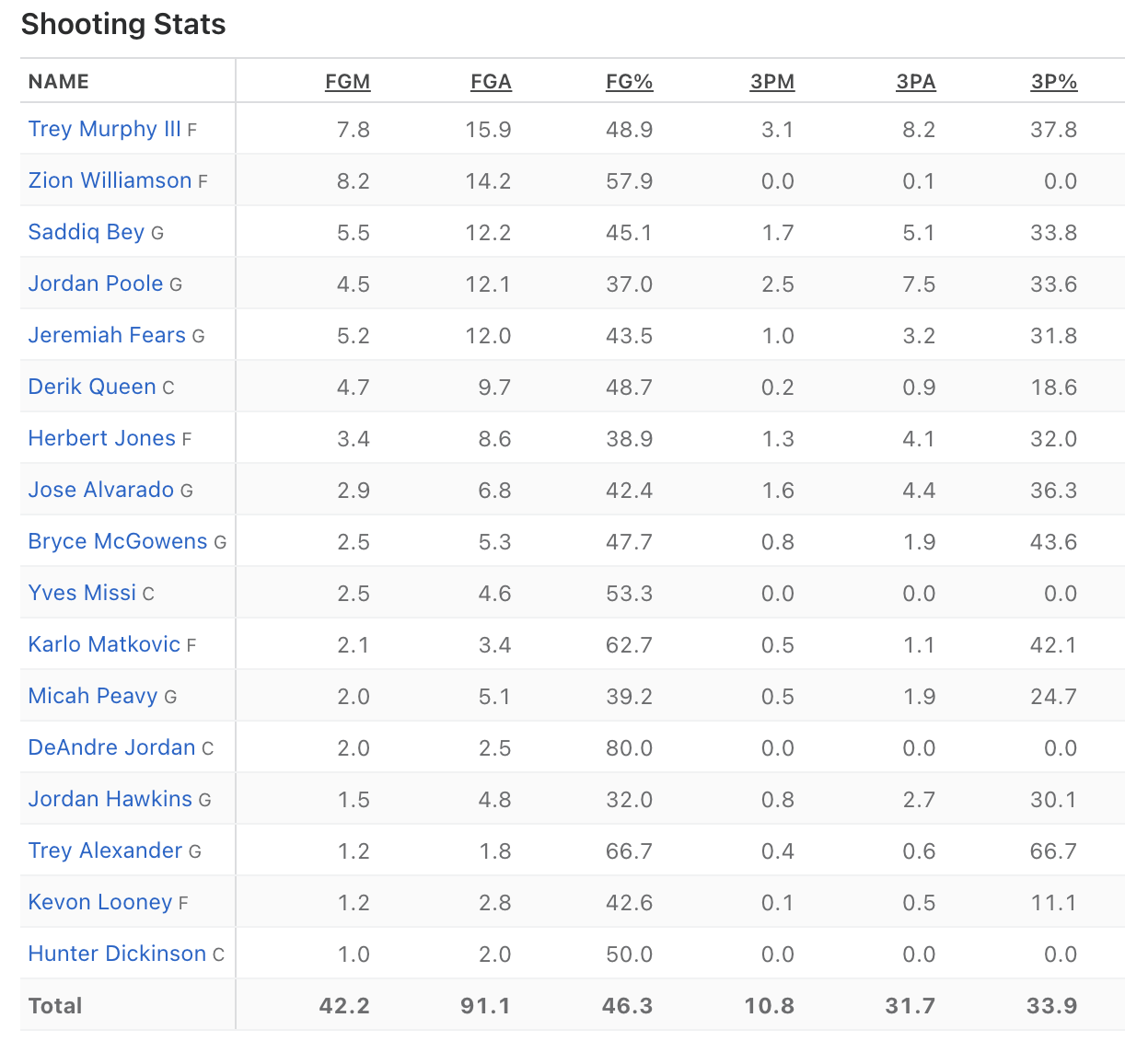
ESPN Lakers Team Statistics
ESPN provides an in-depth list of the Lakers' opponent's three point statistics, including information like 3PM (average 3 pointers made), 3PA (3 pointer attempts), and 3P% (shotting percentage). This data is a great source to help put a number on how well opposing teams shoot from past the arc.
Basketball Reference

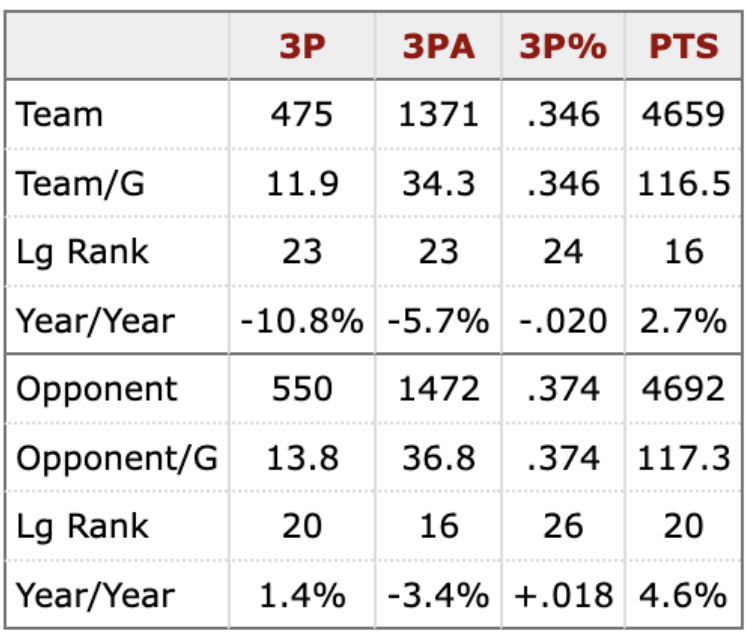
Basketball Reference Lakers 2026 Statistics
This website presents detailed splits and historical comparisons to the user, allowing them to put into context how bad the Lakers' perimeter defense is when compared to that of league averages (both historical and current).
NBA Statistics

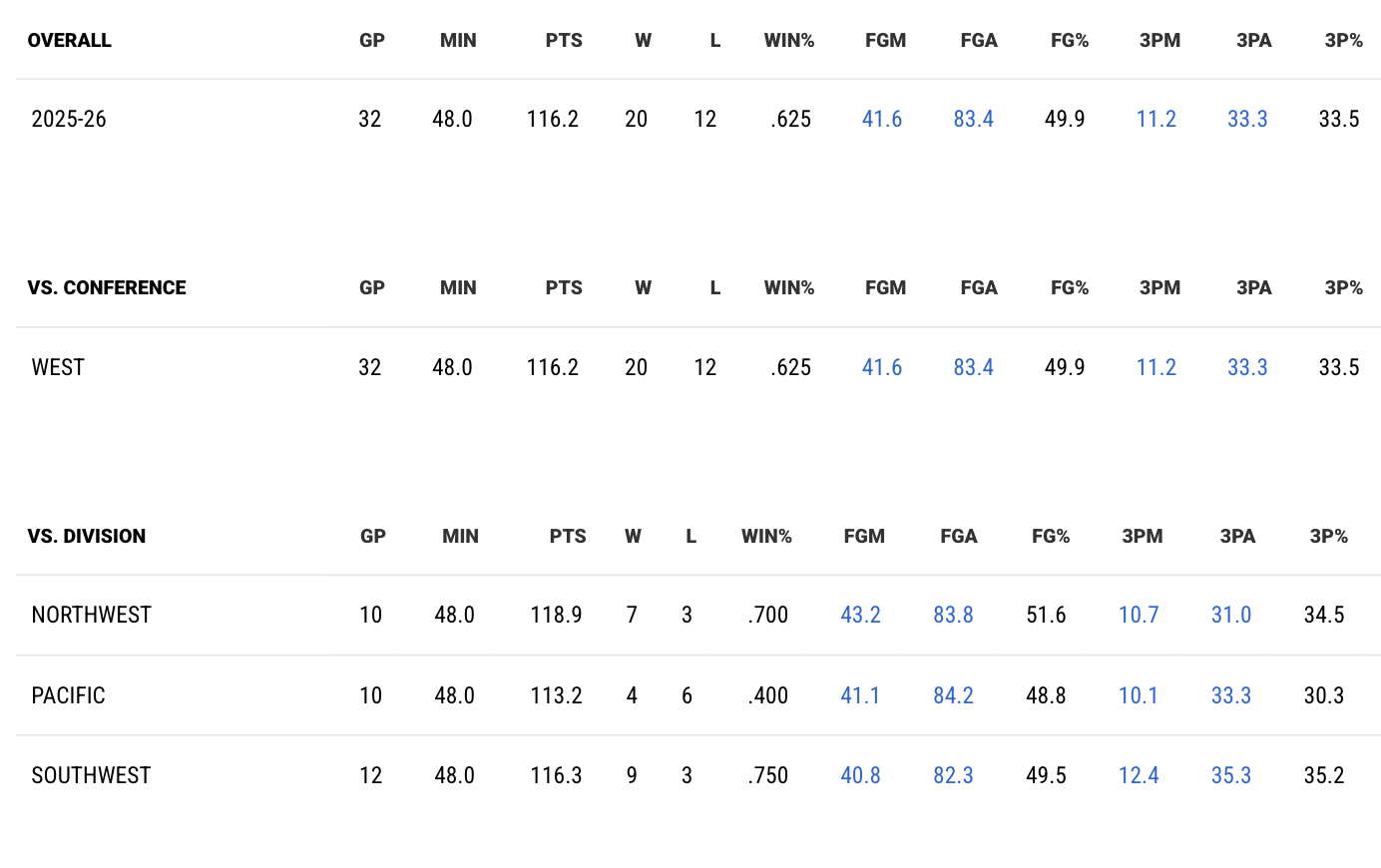
NBA.com Lakers Opponent Statistics
The NBA.com website shows league data and gives users the option to filter just by opponent performance against the Lakers.
Author's Insights
- The first insight we can draw from the above information is that people often overlook> the Lakers' poor defense because of their incredible offense.
- Players like Lebron and Reaves consistently score high, but that is useless without a better defense. The Lakers' poor defense is what is holding them back from having higher win margins.
- Their defense also begins to fall when their game starters take a break, indicating a potential imbalance in the roster.
- Their strategy is flawed as well, with slow closeouts and poor point of attack defense.
How to Interpret This Data For Your Own Insights!
Do you want to form your own insights from the data this page has provided? Check out the steps below to find out how!
- Determine the problem by looking at the ESPN website, analyzing the Laker's opponent shooting under the Lakers Team Statistics page.
- Specifically look for Opponent 3PM, 3PA and 3P%
- This should help inform you of the amount of shots the Lakers allow as well as the rate the opponents are making them at.
- A high 3PA means the defense is allowing open shots, and a high 3P% indicates poor closeouts.
- Compare prior takeaways with the league averages.
- Go to the Basketball Refrence website and look at the Lakers 2026 team splits page.
- On this page, you should look for opponent 3P%, Lakers league rank, historical comparison, and Lakers vs opponent differential.
- This will tell you where the Lakers rank against the other teams as well as if this is a new problem or a persistant one.
- Using this information, you can determine whether or not they are worse than the league average.
- If the Lakers rank among the bottom 10 teams, it indicates that their defense is a systemic weakness. If they are far worse than last year, you can determine that the Lakers are falling off. If opponent statistics are way highers than the Lakers', then it means there is most likely an imbalance in their defense.
- Figure out when and why the perimiter defense breaks down.
- Go to the NBA website's Lakers team statistics page and use the opponent filters.
- You can filter by lineups, game segments, minutes player and matchups to determine which players are the problem.
- Higher opponent 3P% with bench players indicates a depth issue. Inconsistent spikes during certain player rotations shows a matchup problem. If the issues are consistent across every lineup, then it becomes a strategy problem.
- Synthesize your takeaways.
- Use the information gathered from all your research to determine the reason for the Laker's perimiter defense struggles!
What Can I Do With This?
- You can evaluate trades and roster moves with a better understanding of their defense issues.
- You can see if improvment happens when the coach makes a better strategy.
- You can argue with people and bring in real evidence to support your data.
- You can place bets on the team with a more informed background.